Resort & hospitality
Keep treatment out of the guest experience and off the saleable acreage.
Package wastewater treatment / 500 to 500,000+ GPD
Bio‑Pure® systems are engineered to unlock sites where septic acreage, discharge quality, or phased capacity make conventional options hard to justify. Modular plants compress footprint, simplify expansion, and give civil teams a permitting story that holds up under scrutiny.
Lead story
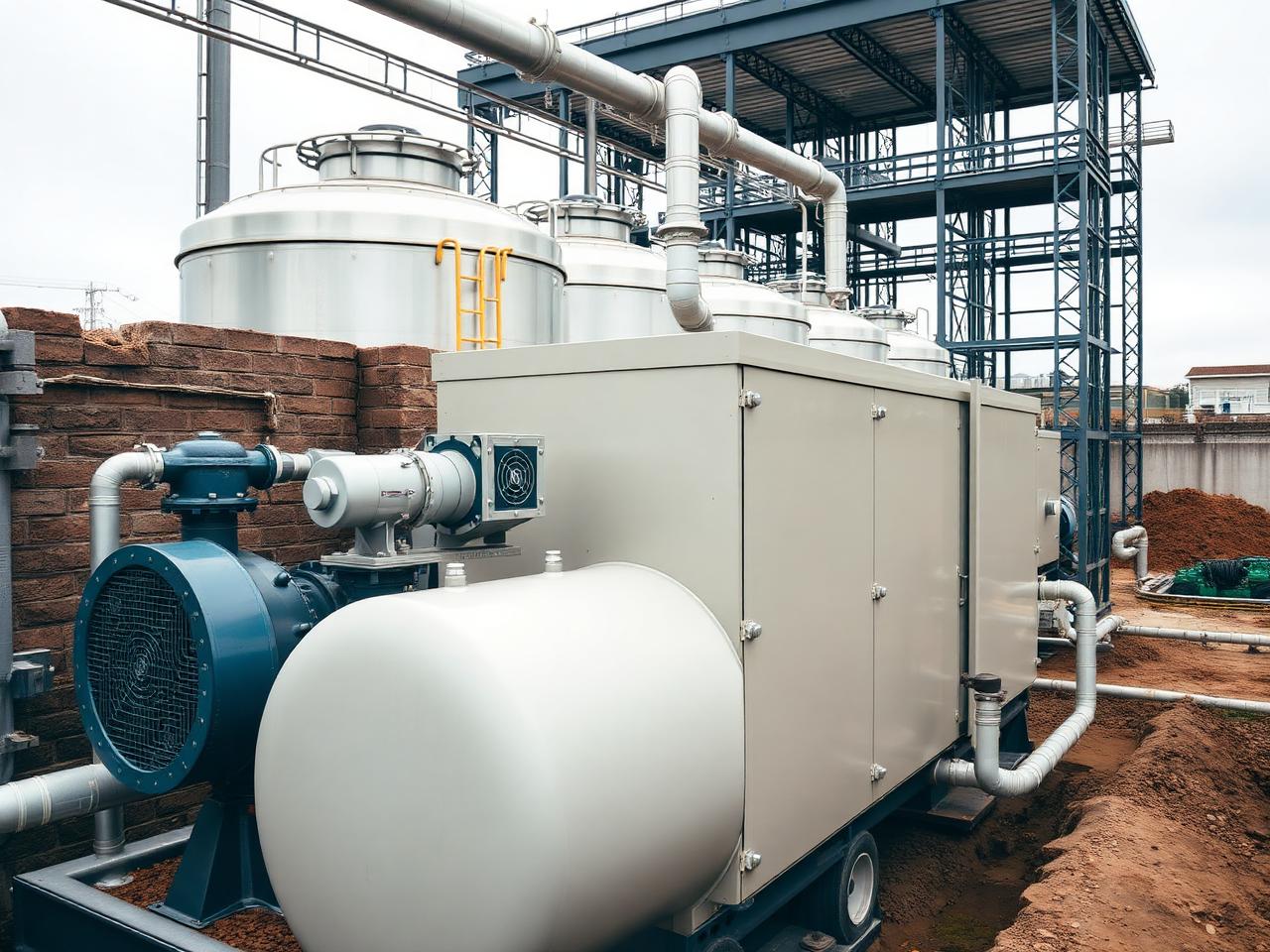
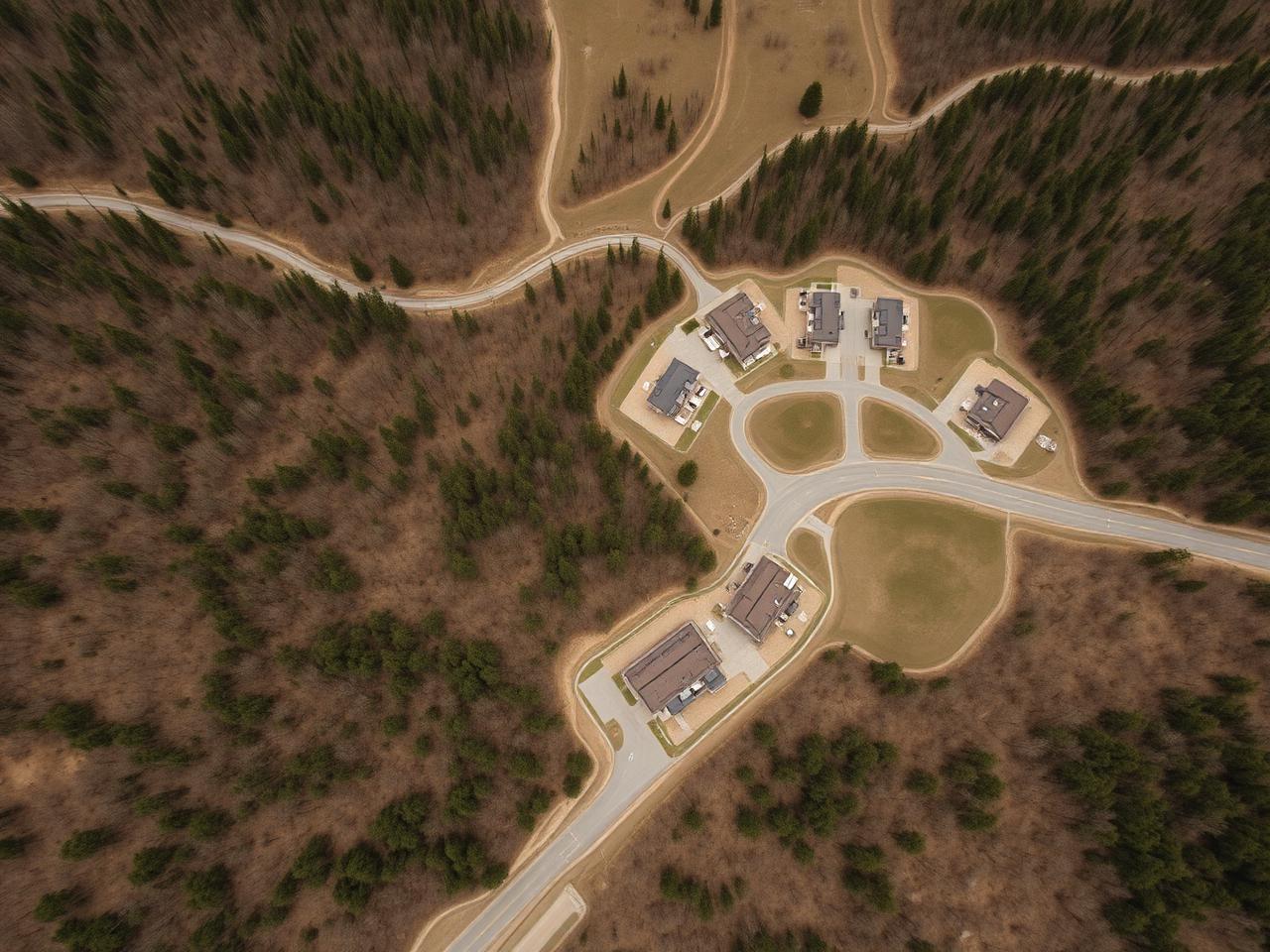
Developers often discover too late that the true constraint on a site is not building envelope or utility service, but the waste stream. Bio‑Pure® relocates treatment performance into a compact engineered package.
Large dispersal areas push buildings apart, reduce yield, and force grading compromises.
Treatment footprint condenses infrastructure, preserving usable land for the project itself.
Authored detail: the land-compression diagrams keep the story about buildable yield, not just treatment mechanics.
Applications
Six recurring situations where the waste stream — not the building program — sets the limit.
Keep treatment out of the guest experience and off the saleable acreage.
Bridge capacity between master-plan phases without a full plant rebuild.
Predictable discharge quality where soils fail conventional septic math.
Process-aware trains sized to shift loads and seasonal peaks.
Low-attendance operation with documented compliance reporting.
Polish to irrigation and reclamation targets on constrained parcels.
How it works
Step through each unit process, or let it run. Flow moves left to right; return sludge moves back.
Raw flow is buffered so peak occupancy and shift loads do not shock downstream biology.
Preliminary selector
Indicative only — final selection depends on loading, discharge limits, and site conditions.
Catalog
Five families cover 500 to 500,000+ GPD, all built from the same unit processes.
Remote lodges, small commercial
Boutique resorts, schools
Housing, mixed-use phases
Campus and district
Municipal package
| Family | Flow range | Typical use | Phasing | Reuse path |
|---|---|---|---|---|
| BP-05 | 500–2,500 GPD | Remote lodges, small commercial | Single unit | Optional |
| BP-25 | 2,500–15,000 GPD | Boutique resorts, schools | Single unit | Supported |
| BP-100 | 15,000–100,000 GPD | Housing, mixed-use phases | Parallel trains | Supported |
| BP-250 | 100,000–250,000 GPD | Campus and district | Parallel trains | Supported |
| BP-500 | 250,000–500,000+ GPD | Municipal package | Parallel trains | Supported |
Proof
Representative scenarios drawn from typical application patterns.
Rock and shallow soils killed the dispersal field; a packaged train freed two building pads.
Capacity added in three stages so financing tracked actual occupancy.
Low weekend load handled without biology upsets or operator overtime.
“The plant stopped competing with the program. That is the whole point.”
Compressing treatment into an engineered package turns a land liability into a line item — and gives the civil team a story reviewers can follow.
Resources
Request access through engineering intake for the current revision.
Request documentRequest access through engineering intake for the current revision.
Request documentRequest access through engineering intake for the current revision.
Request documentRequest access through engineering intake for the current revision.
Request documentRequest access through engineering intake for the current revision.
Request documentRequest access through engineering intake for the current revision.
Request documentFAQ
Short answers; engineering will confirm against your site data.
Footprint depends on flow and discharge target, but replacing a large dispersal field with a compact treatment train commonly returns most of that acreage to buildable program.
Engineering intake
The more context we have on soils, setbacks, and phasing, the faster the layout comes back.
Next step